Booking New Zealand’s Great Walks: one morning, a whole season
New Zealand’s Great Walks do not trickle onto sale. The Department of Conservation opens bookings for an entire season on one announced morning; for 2026/27 it was May 13, 2026, with the Milford Track at 9:30 a.m. The Milford Track is the sharpest example: a one-way route with a fixed chain of three huts, which leaves no room to improvise.
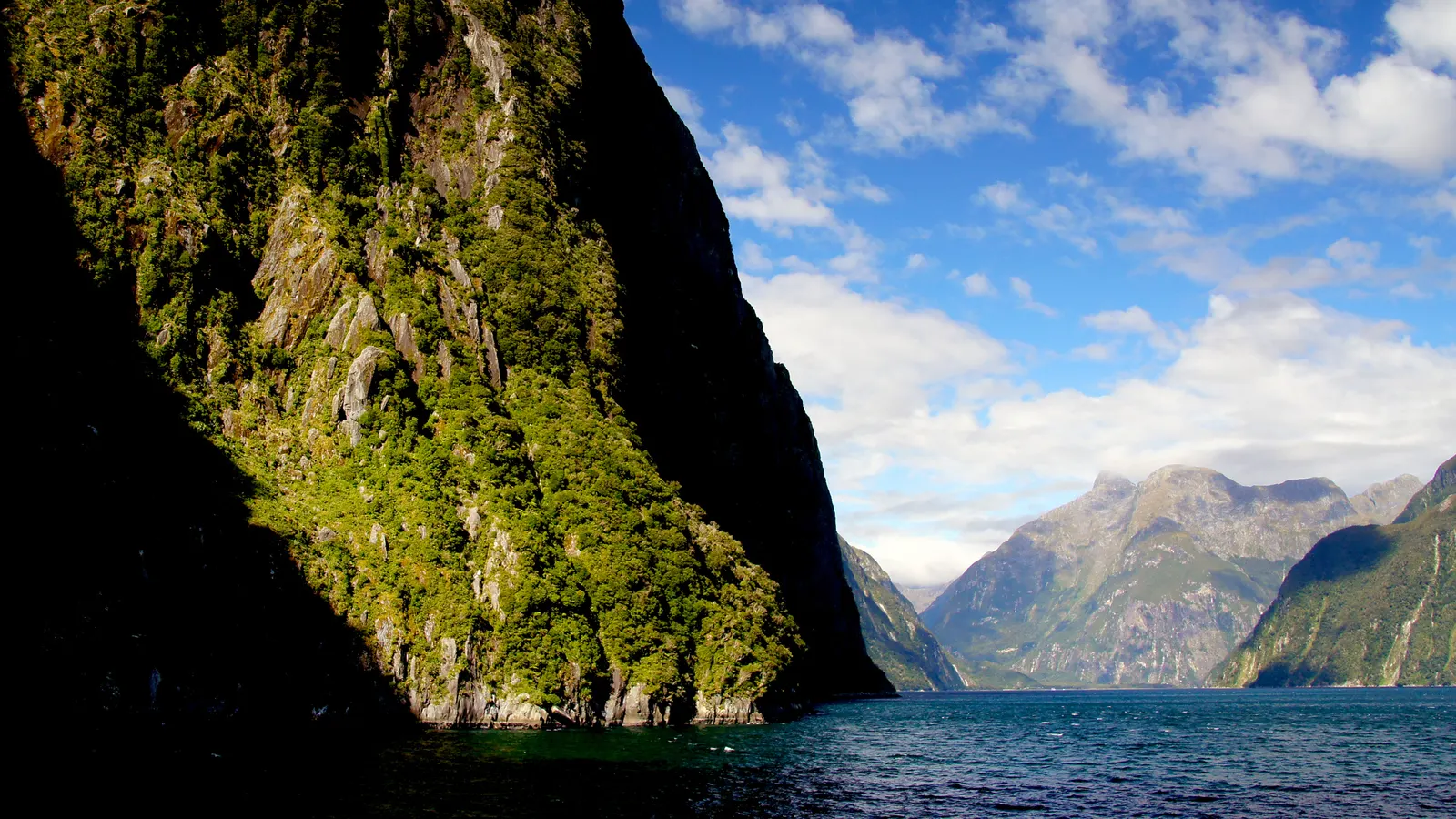
One morning, an entire season
DOC announces the opening dates ahead of time on its website and blog; for 2026/27, bookings opened on May 13, 2026. The Milford season itself runs from November 1 to April 30. Everything for that season goes live at once, and a queue system holds you until it is your turn.
Preparation is what decides this, not luck. Create your DOC account and verify it days ahead, log in before the window, and know exactly what you intend to click. Have your card details already saved, use a wired or otherwise reliable connection, and check the time zone conversion twice — NZST in July is a brutal hour from Europe or the Americas, and it is worth setting a genuine alarm rather than trusting yourself to be awake.
Prepare the hut sequence, not just a date
The Great Walks are booked hut by hut, per person, per night, and the huts on a one-way track must form a legal sequence — you cannot sleep in the wrong order or skip a night that the day distances do not allow. On the Milford Track that means a specific chain of three nights walking in one direction, with a set start day. If any single hut in your chain is unavailable, the whole itinerary fails, which is why people lose time during the release trying to reassemble a plan on the fly.
So write the plan down before the release opens: your first-choice start date with the exact huts in order, then a second and third start date, ideally in different weeks and midweek rather than at a weekend. Decide in advance whether you would accept the walk in the opposite direction where that is possible, and whether a different Great Walk on the same trip would satisfy you. Also budget for the parts that are not a hut: Milford requires boat transfers at both ends and road transport to the start, these are booked separately from the hut nights, and the hut fee is charged per night with different rates for international visitors and New Zealand residents.
When the Milford Track is gone
If your dates are gone, look again at the DOC booking page later; it only ever shows what is still for sale. PermitTrip doesn’t send alerts, so the simplest plan is a reminder in your own calendar and a second-choice hut chain ready to book.
Beyond that, there are two honest alternatives. Guided Milford walks operate on their own private lodge allocation, separate from DOC huts, at a much higher cost. Or walk something else in Fiordland, such as the Kepler or Routeburn tracks, booked in the same DOC release. Fiordland weather can close any of these regardless of what you booked, so keep your itinerary loose at the edges.
Frequently asked questions
How fast does the Milford Track actually sell out?
DOC doesn’t publish a sell-out time. What it does publish is the opening: for 2026/27, May 13, 2026 at 9:30 a.m. NZST for the Milford Track. Be logged in before then; the 2027/28 date is not out yet.
Can I walk the Milford Track without a hut booking?
No. It is a one-way track walked over three nights in DOC huts, so the hut bookings are what gets you on it. The boat transfers at both ends are booked separately.