New Zealand’s Great Walks: which one should you actually book?
The Department of Conservation manages ten official Great Walks, and bookings for an entire summer season open on set mornings announced ahead of time — not a rolling release. Demand is wildly uneven across the ten: Milford, Routeburn and Kepler routinely draw the most applicants and the best dates can go within minutes of opening, while several of the others stay bookable well into the season. Deciding which walk to chase starts with an honest read of how much flexibility you actually have, not with picking the most famous name first.
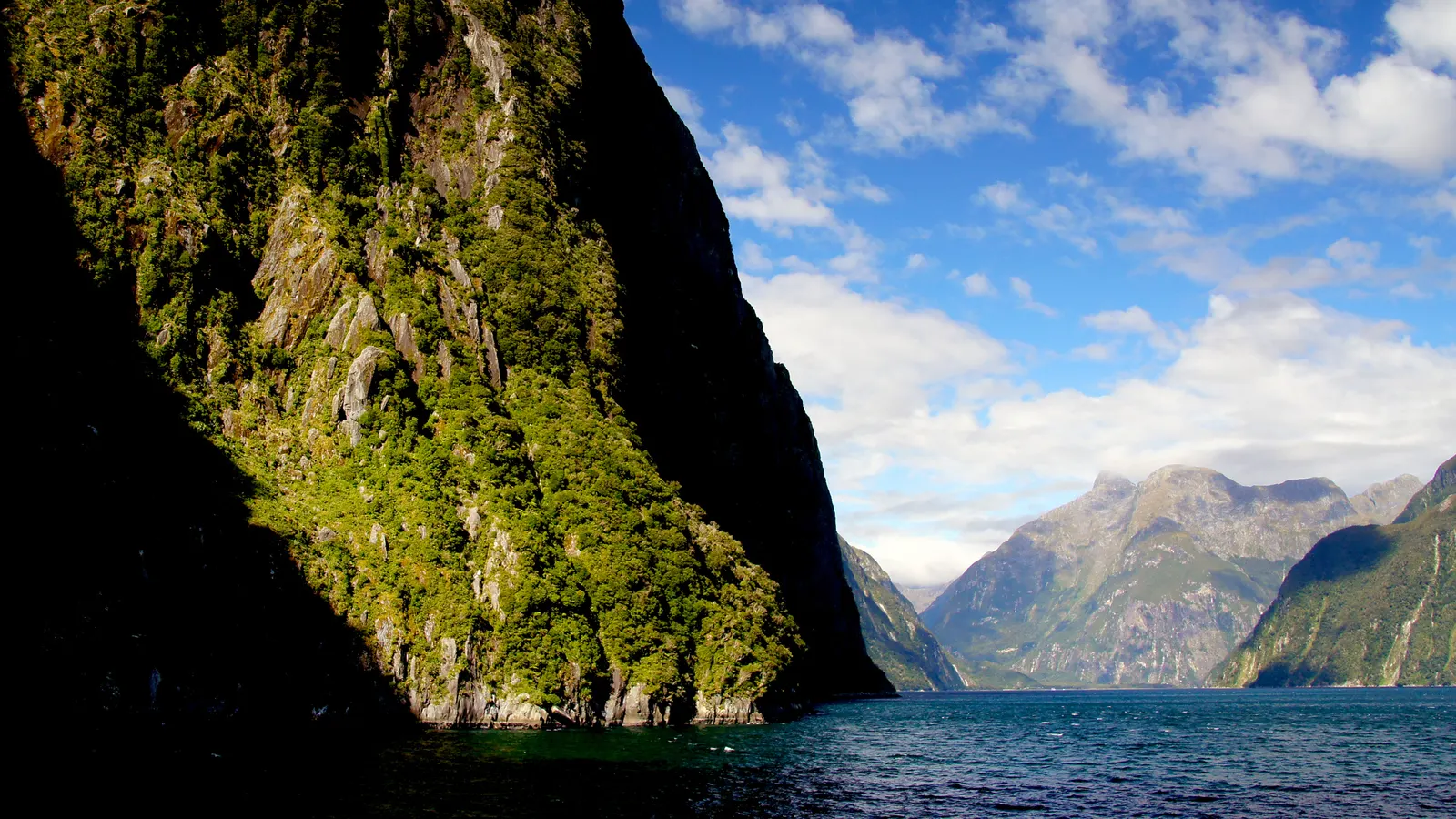
Ten walks, not equally hard to book
Milford, Routeburn and Kepler consistently carry the heaviest demand and the tightest availability — Milford in particular, since it is one-way with a small daily start quota and no way to add capacity. Great Walks with somewhat more forgiving demand historically include Abel Tasman and the Tongariro Northern Circuit, while routes further from the main tourist circuit — Rakiura on Stewart Island, the Whanganui Journey, Paparoa, Heaphy — tend to hold spare capacity later into the season. These patterns shift from year to year, so treat this as a starting point for research, not a guarantee, and check current demand on the DOC booking site for the season you’re planning.
Every Great Walk is booked hut by hut, per person, per night, and on one-way tracks the nights have to form a legal sequence that matches the day’s walking distances. That constraint is not unique to Milford — it applies to any of the ten with a linear route, so building your full hut sequence before the booking window opens matters everywhere, not just on the hardest track.
Milford Track: the extreme case
Milford is the sharpest illustration of the system because it leaves no room to improvise. It is a one-way route with a small daily start quota and a fixed chain of huts, so a booking that is missing even one night in the sequence fails as a plan — there is no alternate hut to substitute and no way to camp instead. On release morning, the most popular start dates can go within minutes.
Loop tracks and out-and-back options are more forgiving. Abel Tasman, for instance, lets you patch together a shorter or looser itinerary, and in some cases add or adjust nights over more than one visit to the booking site, because you are not locked into a single directional chain the way Milford requires.
How to plan a backup
Before the booking window opens, write down your first-choice track with the exact huts and dates in order, then a genuine second and third choice — ideally different tracks or different weeks, not just the same walk a few days later. Decide in advance whether a guided option on a privately operated hut allocation, where one exists, is acceptable if the DOC-run huts don’t work out; it costs considerably more but draws from an entirely separate inventory pool.
Create and verify your DOC account before the release, know your timezone conversion cold, and set a genuine alarm rather than trusting yourself to be online in time — New Zealand’s release mornings do not shift for other timezones. After the season opens, cancellations do put nights back on sale unpredictably through the following months, so a periodic check or an alert is worth more than one last-minute attempt.
Frequently asked questions
How do I book a Great Walk in New Zealand?
DOC opens bookings for an entire summer season at once, on an announced opening morning in the New Zealand winter. You book online through the DOC website, hut by hut and night by night, and the huts on a one-way track must form a walkable sequence.
Which Great Walk is easiest to book at short notice?
Historically, routes like Rakiura, the Whanganui Journey, Paparoa and Heaphy have carried lighter demand than Milford, Routeburn or Kepler, and cancellations do appear through the season. Demand shifts year to year, so check current availability on the DOC site rather than assuming last year’s pattern holds.