Monument opening hours and last entry: how to actually check them
We are not going to publish a timetable here, because opening and closing hours at major monuments shift by season and by year, and a specific hour copied from an old article is one of the more common ways a trip goes wrong. What is stable enough to plan around is the pattern: most sites run longer hours in summer and shorter hours in winter, the last-entry time is set well before the actual closing time, and a handful of fixed weekly closures — the Vatican Museums most Sundays, the Last Supper on Mondays — are safe to remember. For the actual hour on your actual date, check the site’s own official ticketing page shortly before you travel.
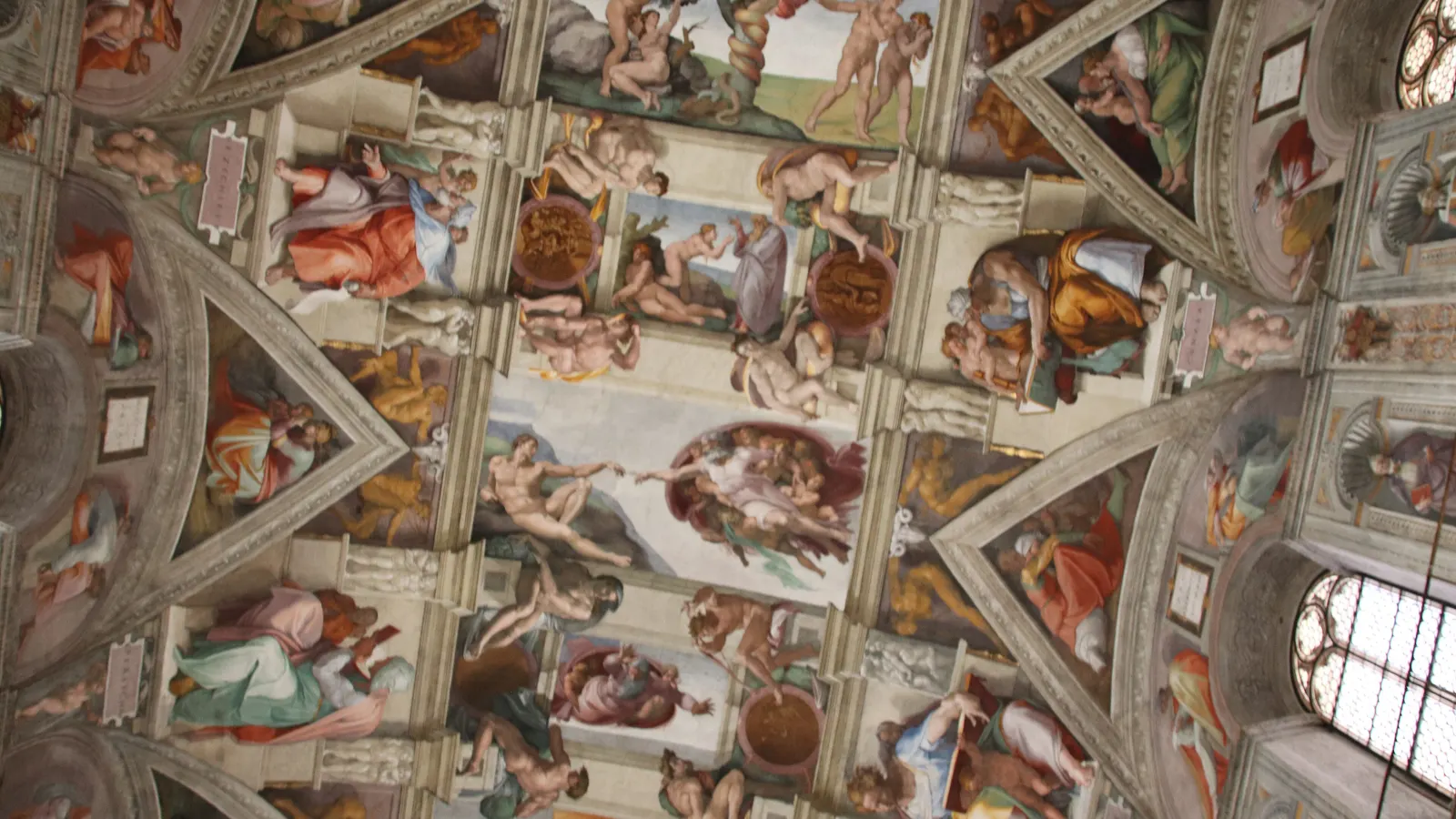
| Monument | Guided visit with entry included |
|---|---|
| Vatican Museums | Vatican Museums & Sistine Chapel Guided Tour |
| Acropolis of Athens | Acropolis Guided Tour |
| Alhambra | Alhambra & Nasrid Palaces Tour |
| Sagrada Família | Sagrada Familia Tour & Tickets |
| The Last Supper | Milan Walking Tour + The Last Supper Tickets |
Summer hours vs. winter hours
Broadly, major European monuments extend their opening hours through the warmer months and pull them back once the days shorten, with each site setting its own transition dates rather than following one shared calendar. That single fact explains a large share of the wrong-hours complaints travelers run into: a schedule that was accurate in July can be off by an hour or more by November, and a blog post written for one season quietly becomes wrong for the other.
Some sites layer extra options on top of the base schedule — evening or night visiting slots in peak season, for instance — that don’t exist for the rest of the year. Treat any hour you read anywhere, including here, as a starting expectation to confirm, not a fact to build a schedule around.
Last entry is not closing time
Almost every major site sets its last-admission time meaningfully earlier than its stated closing time — often by an hour or more — to allow visitors already inside to finish their visit and staff to begin closing galleries and rooms in sequence. Arriving at what you believe is “closing time” frequently means arriving after the gate has already stopped admitting.
This matters even more when your ticket is a timed slot. A timed booking reserves your entry window, not a guaranteed length of visit — if you book the last available slot of the day, the site’s actual closing time may leave you with far less time inside than a slot booked earlier, since the building still closes on schedule regardless of when you were let in.
The fixed weekly closures worth remembering
A few weekly closures are stable enough to plan around, though still worth a final check: the Vatican Museums are closed most Sundays, with occasional exceptions on certain dates, and the Cenacolo Vinciano — the Last Supper viewing in Milan — is closed on Mondays. These are useful defaults for a first-draft itinerary.
Public holidays are the less predictable layer on top. Many major European sites close on dates like January 1st or December 25th, and some add other national or religious holidays specific to their country, so a date that looks like an ordinary weekday can turn out to be a closure. Check the official ticketing page for your specific date before finalizing plans around it.
Frequently asked questions
What time do the Vatican Museums close?
It depends on the season, and we’re deliberately not quoting a specific hour here since it changes and an outdated one can ruin a visit. What’s reliable is that last entry is set noticeably earlier than actual closing, and the museums are closed most Sundays. Check the official Vatican Museums ticketing site for the current hours on your date.
What time does the Acropolis of Athens close?
Hours shift between summer and winter schedules and are set by the Greek Ministry of Culture, so we won’t publish a fixed number here. Confirm the current opening and last-entry times on the official hhticket.gr site close to your visit date.